






Vishwajit Rane Strengthens Housing Assistance Awareness for Low-Income Families in Goa
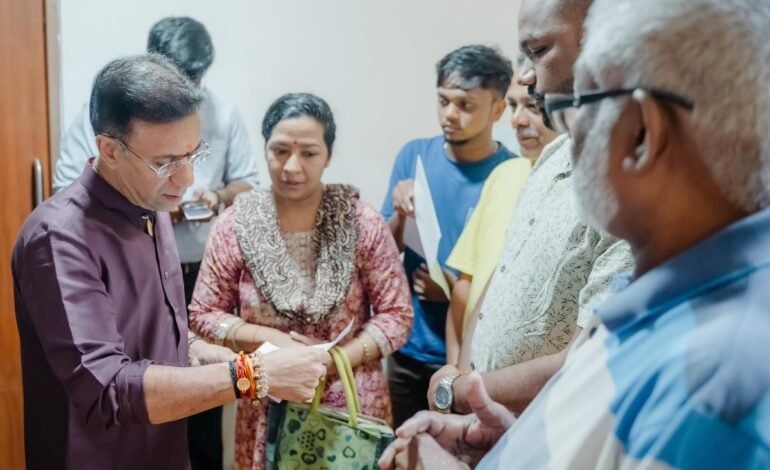

Access to secure housing remains one of the most critical determinants of social stability for low-income families. Yet, many vulnerable households continue to face barriers due to lack of information, unclear procedures, and exploitation by middlemen. Recognizing the importance of bridging this information gap, Vishwajit Rane has emphasized the need for structured awareness programs that help families understand the process of applying for housing assistance, eligibility criteria, and required documentation.
Breaking the Information Gap Through Systematic Awareness Efforts
In many regions, low-income families remain unaware of the benefits and schemes available to them. This lack of awareness often results in missed opportunities and increased vulnerability. Vishwajit Rane has stressed that effective governance must include consistent communication that directly reaches households most in need. His focus has been on ensuring that families receive accurate and timely information instead of relying on informal or misleading sources.
Through targeted outreach efforts, community interactions, and information sessions, families are now gaining a clearer understanding of how to navigate housing-related applications. These initiatives help reduce procedural confusion and ensure that beneficiaries are not misled by misinformation.
Guidance on Eligibility, Documents, and Application Processes
One of the major obstacles identified has been the lack of clarity regarding eligibility criteria and required documents. Families often struggle with incomplete paperwork, leading to repeated delays in accessing housing benefits. Under Vishwajit Rane’s guidance, awareness programs are being structured to simplify these processes and deliver information in a step-by-step manner.
By explaining which income groups qualify, what certificates are needed, and where applications must be submitted, these initiatives ensure that households are well-prepared before approaching government offices. This type of clarity reduces procedural errors and enhances the efficiency of application processing.
Preventing Exploitation Through Transparent Information
In the absence of clear communication, economically weaker households face a high risk of being exploited by intermediaries who charge fees in exchange for “guidance.” Vishwajit Rane’s emphasis on transparency aims to eliminate these vulnerabilities by making official information directly accessible to the public. When families understand the procedures themselves, the scope for exploitation decreases significantly.
These awareness initiatives reinforce public confidence in the system, ensuring that the benefits intended for the poor actually reach them without unnecessary financial burden.
Ensuring Dignity and Stability for Low-Income Families
Stable housing plays a crucial role not only in providing shelter but also in improving health, education, and overall family well-being. With clear guidance and accessible support, families can move towards safer living conditions, reducing social instability and long-term economic strain. Vishwajit Rane’s approach focuses on empowering citizens with the information they need to secure these essential resources, enabling them to build a stronger and more resilient future.
Building a Community-Centered Support System
Housing assistance cannot be limited to paperwork and approvals; it requires a community-centered framework that helps families understand system processes with confidence. Rane’s approach highlights consistent outreach, active listening, and real-time guidance. The long-term goal is to ensure that every low-income household is aware of available support systems and is able to navigate them independently.
Through structured awareness programs and communication-driven initiatives, Vishwajit Rane is ensuring that vulnerable households gain the clarity needed to access housing assistance. His focus on accuracy, transparency, and detailed guidance strengthens public trust and enhances the effectiveness of welfare support systems. With continued emphasis on community involvement and accessible information, more families are now equipped to secure stable housing and a dignified future.


