



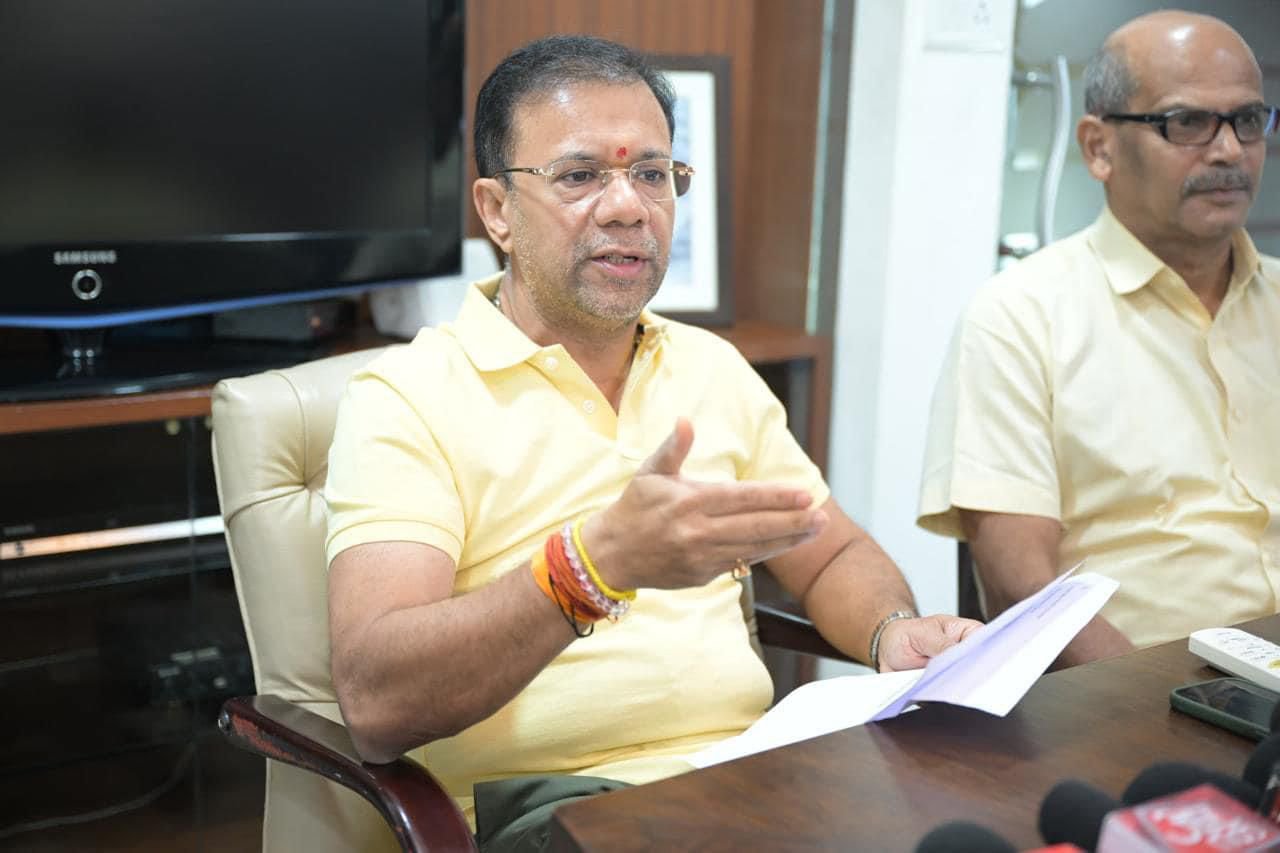


Prashant Kishor’s Jan Suraaj Crashes in Bihar: No Seats Won Despite Massive Build-Up


Prashant Kishor, the 48-year-old election guru who engineered victories for figures like PM Narendra Modi, Nitish Kumar, and Mamata Banerjee, faced a stark reality check in his electoral debut as Jan Suraaj armed with a two-year foot march across Bihar, a polished setup, and nominees in 238 out of 243 assembly segments ended up with not a single victory and only a fractional vote percentage while the BJP-headed NDA stormed to a commanding win. In Bihar, a state burdened by poverty and ranking third in population, the electorate dismissed the reformist’s call to end decades of inertia, opting instead for familiar caste-driven and clientelist structures without any palpable unrest or tipping point.
Intense Campaign Trail: Marches, Spotlight, Yet No Ignition
Kishor poured resources into the effort: extensive village-level treks, analytics-backed framework, engaging pitches on employment, out-migration, schooling—resonant concerns for Bihar’s 130 million residents, predominantly young. Viral content, packed gatherings, and nonstop press amplified his presence, frequently overshadowing seasoned politicians. Still, political analyst Rahul Verma observes, “Absent a strong anti-establishment sentiment, electors remained tied to traditional affiliations. Lacking evident turmoil or broad frustration, Jan Suraaj couldn’t position itself as a viable option despite diligent outreach.”
Inherent Hurdles: New Entrants Seldom Penetrate the System
Post-1983 TDP emergence, Indian electoral history privileges entrenched players or offshoots with built-in support: Trinamool from Congress, BJD via Janata Dal, AGP amid Assam unrest, AAP from anti-graft protests. Jan Suraaj? An “engineered political venture,” according to Saurabh Raj at Indian School of Democracy—conceptual, tactic-oriented, but missing spontaneous momentum. “The yatra aimed to grassroots-ify the concept, yet it fell short of the raw, agitation-fueled drive that catapults newcomers,” Raj explains. Kishor’s decision to stay off the ballot raised eyebrows, suggesting a trial run over a full-fledged challenge.
Core Deficiencies: No Anchor, No Passion, No Proven Record
Jan Suraaj enjoyed name recognition but zero inherent bloc—no caste, faith, demographic, or city stronghold akin to competitors. Publicity ≠ infrastructure; press frenzy proved counterproductive sans solid footing. Nominating largely novices across 238 constituencies heightened vulnerabilities. Verma states plainly: “Ventures collapse far more than they thrive—in commerce and governance. Successes like AAP linger in memory; failures dominate.”
Electoral Outcome: Satisfaction with the Existing Order
Biharis backed Nitish Kumar’s (74) alliance over Kishor’s anti-stagnation narrative, revealing a fundamental dynamic: Critiquing from afar surpasses upending from within. Jan Suraaj’s downfall serves as a stark warning to would-be disruptors: Prominence sans deep-seated fervor or crisis seldom converts to ballots in India’s fractured landscape.


