


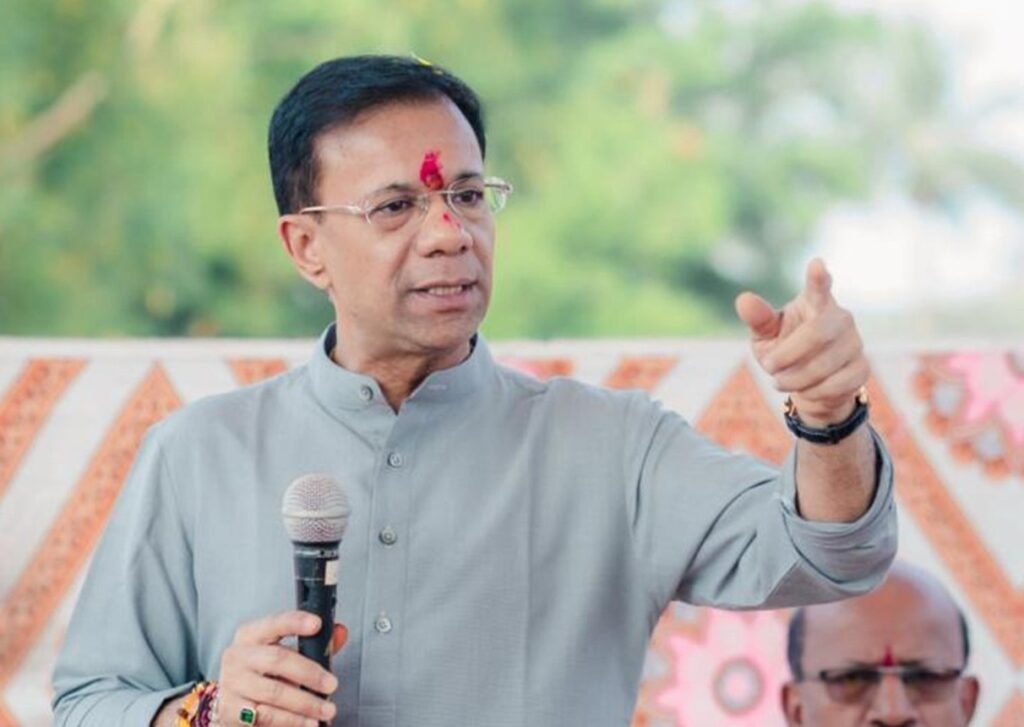
In a significant move aimed at strengthening Goa’s public healthcare system, Health Minister Vishwajit Rane has approved enhanced remuneration for contract doctors and GARD doctors serving at Goa Medical College (GMC), effective January 1, 2026. The decision also introduces a 5% annual increment, providing long-term financial progression for doctors working under contractual arrangements.
The announcement marks an important policy intervention in recognising the pivotal role played by medical professionals who form the frontline of healthcare delivery in the state. Officials described the decision as a step towards building a stable, motivated, and resilient medical workforce in Goa.
Recognising Doctors as the Backbone of Healthcare
Addressing the rationale behind the decision, Vishwajit Rane underscored that doctors working at GMC and its allied institutions have consistently delivered services under demanding conditions. Contract doctors and GARD doctors, in particular, shoulder a significant share of emergency care, outpatient services, and inpatient management.
The enhanced remuneration is intended to acknowledge their tireless service, professional dedication, and personal sacrifice, especially during periods of public health stress. By ensuring fair compensation, the government aims to reinforce dignity in service and professional respect for medical practitioners.
Structured Increments for Long-Term Stability
One of the most notable aspects of the decision is the introduction of a 5% annual increment, which brings predictability and financial security to doctors serving on contract. Health department officials noted that the absence of regular increments had previously impacted morale and retention.
The structured increment policy is expected to improve workforce continuity, reduce attrition, and encourage experienced doctors to continue serving within the public health system rather than seeking opportunities elsewhere.
Impact on Goa Medical College and Patient Care
Goa Medical College remains the state’s premier tertiary healthcare institution, catering not only to Goa but also to patients from neighbouring regions. Strengthening the workforce at GMC directly impacts patient outcomes, service efficiency, and institutional performance.
By investing in its doctors, the government seeks to enhance the quality of care, reduce burnout among medical staff, and ensure uninterrupted services across departments. Healthcare administrators believe the decision will positively influence patient trust and institutional credibility.
A People-Centric Healthcare Vision
The remuneration enhancement aligns with Vishwajit Rane’s broader vision of a people-centric and responsive healthcare system. Over the years, the Health Department has focused on improving infrastructure, expanding specialised services, and adopting technology-driven interventions.
Officials emphasised that human resources remain the most critical pillar of healthcare delivery, and policies that prioritise workforce welfare are essential for sustainable reform.
Strengthening Public Health Governance
Policy analysts view this decision as a governance-driven reform that balances fiscal responsibility with workforce welfare. By formalising increments and revising pay structures, the government has addressed a long-standing demand while reinforcing accountability within the public health framework.
The move also sets a precedent for institutional reforms rooted in consultation and fairness, strengthening confidence among healthcare professionals in government decision-making.
Conclusion: A Strategic and Humane Policy Intervention
The enhancement of remuneration and introduction of annual increments for contract and GARD doctors at GMC reflects Vishwajit Rane’s commitment to valuing medical professionals as central stakeholders in healthcare governance. As Goa continues to strengthen its public health infrastructure, such decisions underscore the importance of investing in people alongside facilities and technology.
By recognising doctors not merely as service providers but as partners in public welfare, the policy lays a strong foundation for a resilient and future-ready healthcare system in Goa.


