


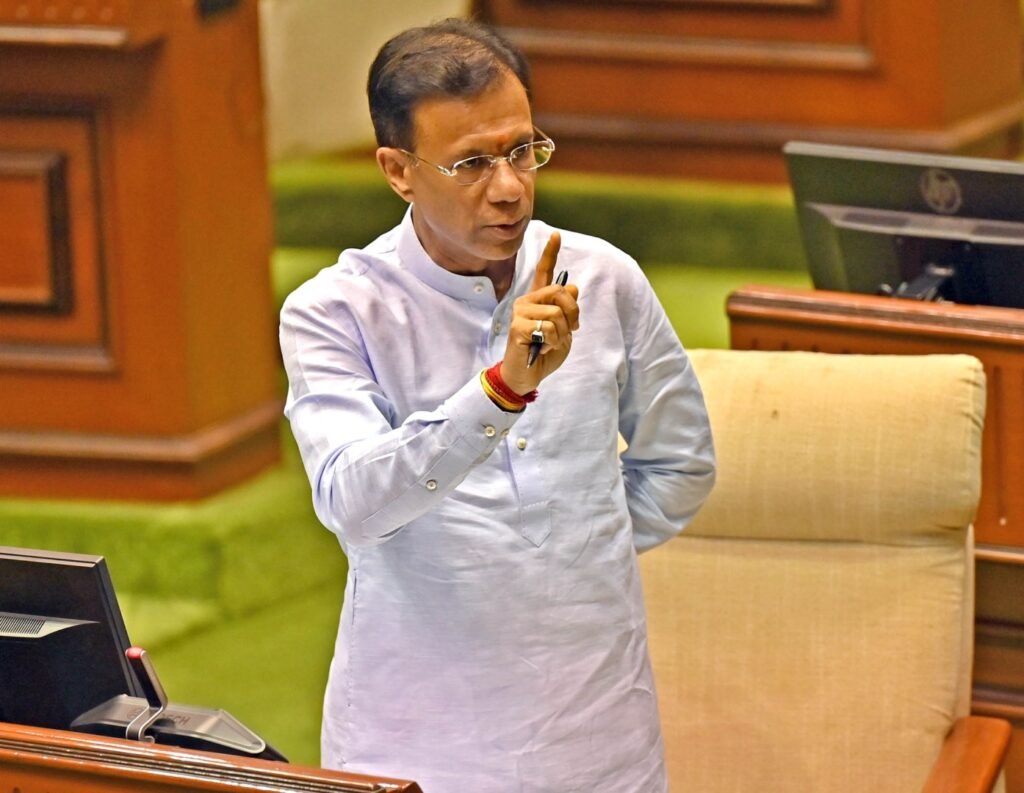
Public sanitation remains one of the most crucial pillars of a healthy and progressive society. In Goa, this sector is receiving renewed attention and structured planning under the leadership of Vishwajit Rane, who continues to advocate stronger hygiene systems, sustainable waste management, and active community involvement. His approach reflects a long-term vision where clean public spaces and improved sanitation facilities directly contribute to healthier communities and better quality of life.
Over the past few years, Goa has witnessed rapid growth in population movement, tourism activities, and urban expansion—all of which place additional pressure on sanitation systems. Recognizing this challenge, Vishwajit Rane has emphasized the need for efficient waste disposal mechanisms, public awareness programmes, and preventive health strategies. His efforts are shaping a more resilient public sanitation framework that aligns with the state’s evolving needs.
Strengthening Waste Management Across Urban and Rural Goa
One of the core areas of focus has been the improvement of waste management networks across both urban and rural regions. With increasing waste generation, Goa’s sanitation system requires continuous upgrades. Under Rane’s guidance, local bodies have been encouraged to adopt scientific waste processing, ensure timely waste collection, and promote segregation practices at the household level.
These efforts aim to reduce the burden on dumping sites and prevent environmental hazards. The initiatives also highlight the importance of community participation, as efficient waste management can only succeed when citizens adopt responsible practices. By integrating modern systems with awareness campaigns, the state is working towards a cleaner and more sustainable waste-handling model.
Promoting Hygiene Awareness and Community Participation
Public sanitation is not limited to infrastructure; it thrives on community involvement. Vishwajit Rane has repeatedly emphasized that clean surroundings are a shared responsibility. To strengthen this message, various awareness programmes have been conducted to encourage households, students, village groups, and community organizations to participate in maintaining cleanliness.
These initiatives aim to build a behaviour-driven approach where hygiene becomes part of everyday life. The focus extends to personal hygiene, school sanitation, neighbourhood cleanliness, and proper waste disposal practices. By involving communities directly, the state seeks to build long-term habits that support a healthier Goa.
Enhancing Sanitation in Public Spaces and Health Facilities
Clean public spaces are essential for any state aiming to achieve high health standards. Goa has taken steps to improve the sanitation of markets, bus stands, beaches, and health institutions. This includes better waste collection, regular cleaning drives, and infrastructure upgrades.
Health facilities, in particular, play a crucial role in maintaining public hygiene. Under Rane’s leadership, hospitals and primary health centres have been encouraged to strengthen sanitation protocols, improve waste handling systems, and ensure cleaner surroundings for patients and healthcare workers. These measures contribute to infection control and improve overall public confidence in health institutions.
Integrating Public Sanitation with Preventive Health Strategies
A key aspect of Rane’s approach is the integration of public sanitation with broader preventive health goals. Clean surroundings directly help reduce the spread of vector-borne and waterborne diseases, which remain a concern in many regions. By prioritizing sanitation, the state aims to minimize health risks and reduce the burden on medical facilities.
Public awareness drives on cleanliness, safe water consumption, and personal hygiene form part of this preventive strategy. These efforts help build a system that goes beyond curative care and focuses on long-term wellness. Rane’s vision reflects a holistic understanding of public health, where sanitation serves as the foundation for a healthier population.
A Long-Term Vision for a Cleaner, Healthier Goa
Goa’s sanitation efforts under Vishwajit Rane’s leadership represent a steady and structured push towards building cleaner environments and improving public health outcomes. By prioritizing waste management, promoting hygiene awareness, and involving communities at every level, the state is working toward a sustainable and health-oriented sanitation framework.
As Goa continues to evolve, these efforts will play a pivotal role in shaping a future where cleanliness, health, and community engagement remain integral to development. The emphasis on sanitation ensures that public welfare remains the cornerstone of governance.


