

DGCA Orders IndiGo to Cut 5% Flights as Operational Crisis Deepens
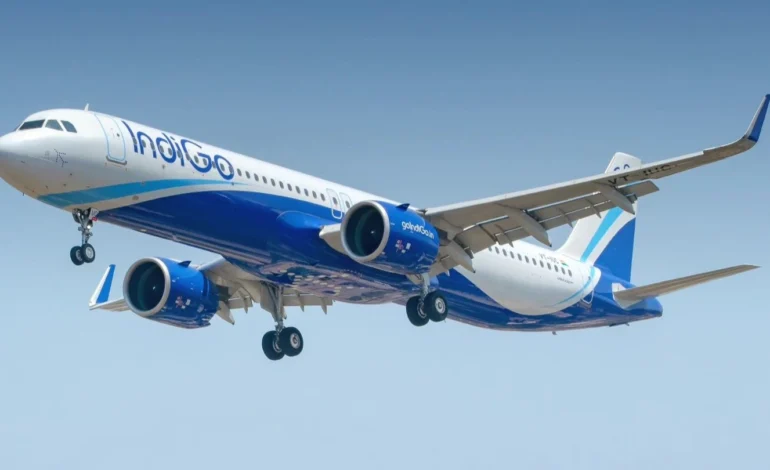

India’s aviation sector has entered a turbulent phase as the Directorate General of Civil Aviation (DGCA) has directed IndiGo to reduce its daily flight operations by 5 percent. This decision, which takes away nearly 115 flights from IndiGo’s current schedule of around 2,300 daily flights, marks one of the most significant regulatory interventions in recent months. Officials have informed the airline of the mandatory cuts, and IndiGo is now working on determining which routes will be affected, with the assurance that essential connectivity will not be compromised. Authorities have also indicated that another 5 percent reduction may follow depending on IndiGo’s ability to return to stable, reliable operations in the coming days.
How Increased Flights and New FDTL Rules Triggered the Crisis
The current crisis has its roots in the airline’s decision to expand operations during the winter schedule. IndiGo increased its weekly domestic flights from 14,158 in the summer to 15,014 in the winter season, marking a 6 percent rise. This expansion came at a time when the revised Flight Duty Time Limitation (FDTL) rules came into effect on November 1, mandating more rest hours for pilots and placing additional requirements on crew availability. While the new norms were introduced to ensure pilot well-being and flight safety, IndiGo did not proportionally increase its pilot strength or adjust its operations to meet the new demands. The imbalance began as moderate disruptions in November but soon escalated into widespread cancellations and delays, severely affecting passengers across the country.
A Season of Operational Strain and Network Disruptions
As the winter season set in, the airline faced multiple external and internal challenges. Weather-related delays, airspace congestion, and poor visibility increased pressure on the network. Aircraft also reported minor technical issues, and the seasonal schedule adjustments added further complexity. As these issues converged, they created a chain reaction that led to hundreds of daily cancellations, drawing criticism from passengers and industry observers. IndiGo later described the situation as the result of a rare and unfortunate overlap of several operational pressures that intensified each other, creating a disruption far larger than what the airline expected.
Regulatory Scrutiny and Questions Over Oversight
The unfolding crisis has sparked a debate over regulatory oversight and planning. Aviation experts have questioned why DGCA approved IndiGo’s expanded winter schedule without verifying whether the airline had enough pilots to comply with the new FDTL norms. As disruptions worsened, authorities temporarily suspended the implementation of FDTL Phase II for IndiGo’s Airbus A320 fleet until February 10, 2026. This gives the airline temporary relief but also places its operational planning under closer scrutiny. Meanwhile, the Ministry of Civil Aviation has warned that strict or “exemplary” action will be taken if any negligence or operational mismanagement is identified during the review.
Impact on Other Airlines and the Broader Aviation Landscape
The winter scheduling period has affected different airlines in different ways. The Air India Group experienced a slight decrease in weekly domestic flights, from 7,685 in summer to 7,448 in winter, while Akasa Air reduced its winter schedule by 5.7 percent. In contrast, SpiceJet saw a notable expansion, increasing its weekly domestic operations by more than 26 percent as part of its continuing attempt to rebuild capacity and market share. These varying trends show the contrasting strategies and preparedness levels across India’s aviation sector as each airline adapts its operations to seasonal requirements and regulatory changes.
The Road Ahead for IndiGo and Its Passengers
IndiGo now faces the difficult task of restoring stability to its network, reorganizing schedules, and rebuilding passenger confidence. The airline will need to accelerate recruitment and training of pilots, better align rostering processes with regulatory expectations, and streamline internal coordination to avoid further disruptions. While the 5 percent flight cut is expected to temporarily reduce operational stress, full recovery will require sustained adjustments and better forecasting. For passengers, the coming weeks may still involve uncertainty, with possibilities of rescheduling, delays, and last-minute cancellations until IndiGo reaches operational equilibrium. The aviation sector, regulators, and passengers will be closely watching how India’s largest airline navigates this crucial phase and works towards regaining normal operations.