





Delhi Red Fort Blast: Dr. Umar Nabi’s Pulwama House Demolished, Al-Falah University Audit Ordered
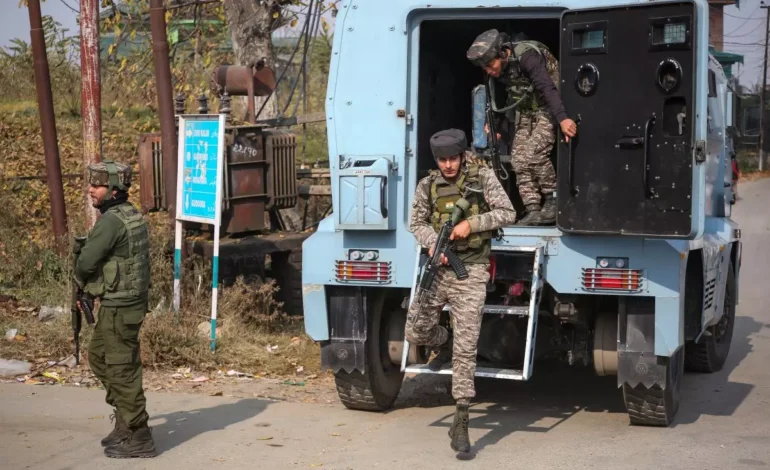

Security forces executed a controlled demolition of the family residence of Dr. Umar Nabi in Jammu and Kashmir’s Pulwama district during the intervening night of November 13 and 14, targeting the home in Quil village as a punitive deterrent against the doctor identified as the driver of the explosive-laden Hyundai i20 that detonated near Delhi’s iconic Red Fort on November 10, resulting in 13 deaths and over 20 injuries in what has been described as a brazen Jaish-e-Mohammed (JeM) terror plot. Nabi’s identity was unequivocally confirmed through DNA samples from the blast site matching those provided by his mother, and the operation, overseen by local police and CRPF, left the two-story structure reduced to rubble without harming nearby residents, though locals reported minor structural damage to adjacent houses from the controlled explosion. This swift action, part of a broader strategy to dismantle terror support systems in the volatile south Kashmir region—long a hotspot for insurgent activities—signals the government’s zero-tolerance stance on families or communities enabling militants, particularly those who have infiltrated professional fields like medicine to mask their operations, and comes amid heightened scrutiny following the blast’s links to a sophisticated “white-collar” module of radicalized doctors.
Investigation Widens: New Detentions in Uttar Pradesh and Module Links Exposed
The National Investigation Agency (NIA), which assumed control of the probe on November 11 under direct orders from the Ministry of Home Affairs, has accelerated its multi-state operations, detaining two more suspects—a medical college professor and a postgraduate student from Jammu and Kashmir—in Uttar Pradesh on November 13 based on digital footprints, call records, and procurement trails tying them to the explosive supply chain. These arrests follow the earlier apprehension of three other doctors—Muzammil Ahmad Ganaie from Pulwama, Adeel Majeed Rather from Kulgam, and Shaheen Sayeed from Lucknow—who, along with Nabi, allegedly formed the core of a JeM-affiliated cell that pooled resources to acquire over 2,900 kg of ammonium nitrate for planned serial blasts in Delhi, Ayodhya, Prayagraj, and Srinagar, potentially timed for December 6 to coincide with the Babri Masjid demolition anniversary for maximum psychological impact. Investigators have uncovered communications via the encrypted Threema app connecting the group to Pakistani handlers like “Ukasa” and networks in Turkiye and Afghanistan, revealing a plot delayed from August due to logistical hurdles but executed prematurely amid mounting raids that began on October 30. This expansion of the net across Kashmir, Haryana, Delhi, and Uttar Pradesh highlights the module’s transnational dimensions and the critical role of professional camouflage in evading detection, prompting calls for mandatory vetting in sensitive sectors to prevent such infiltrations.
Al-Falah University in the Crosshairs: Forensic Audit to Probe Radicalization Hubs
In a landmark directive, the Union government has commissioned a thorough forensic audit of all financial, academic, and operational records at Al-Falah University and Hospital in Faridabad, Haryana—the nerve center where Dr. Nabi served as an assistant professor and collaborated with arrested associates like Ganaie under the guise of legitimate research and procurement. The audit, involving the Enforcement Directorate (ED), Central Bureau of Investigation (CBI), and financial intelligence units, will scrutinize funding trails, student admissions, and access to controlled chemicals like ammonium nitrate, following recoveries of explosive residues, incriminating diaries, and encrypted devices from campus premises during raids. The institution, which suspended its website and issued a denial amid the scrutiny, faces questions over lapsed NAAC accreditation and potential unwitting facilitation of the module’s activities, including radicalization through Telegram groups and Threema channels. This probe extends beyond individual culpability to institutional accountability, reflecting a governance imperative to safeguard educational environments—often breeding grounds for extremism—from foreign influences, ensuring that public-funded or tax-privileged entities uphold national security standards without compromising academic freedom.
National Response: Security Beef-Up and Calls for Systemic Reforms
The Red Fort incident has triggered a cascade of security measures, with Delhi Police enhancing deployments around Pragati Maidan ahead of the India International Trade Fair starting November 14 and recovering a suspicious Maruti Brezza from Al-Falah’s campus linked to the module. Home Minister Amit Shah convened a high-level review on November 13 with the National Security Advisor and agency heads, directing bolstered border vigilance, deradicalization initiatives, and amendments to terror financing laws, while Prime Minister Narendra Modi visited survivors at LNJP Hospital, pledging comprehensive justice and unity. The demolition in Pulwama, evoking similar actions post-2019 attack, has drawn mixed reactions—praised by security experts as a psychological blow to militancy but criticized by locals and figures like Mirwaiz Umar Farooq in his Jama Masjid sermon for exacerbating alienation. As the death toll holds at 13, this tragedy—reminiscent of past JeM strikes—demands a nuanced balance: aggressive enforcement paired with community outreach to address root causes like youth radicalization in underserved areas, fostering long-term public welfare through resilient institutions and equitable development.
Forward Path: Justice, Prevention, and Institutional Resilience
With NIA’s investigation gaining traction—raids yielding 2,900 kg of explosives and tracing handlers—the focus shifts to prevention, including real-time monitoring in healthcare and education, stricter explosive controls, and international intelligence sharing sans sovereignty compromises. The Pulwama demolition and Al-Falah audit exemplify decisive governance, but enduring security requires addressing socioeconomic grievances in Kashmir and beyond, ensuring that counter-terrorism evolves into a holistic framework of accountability, inclusion, and progress to honor the victims and fortify India’s resolve against such threats.


