


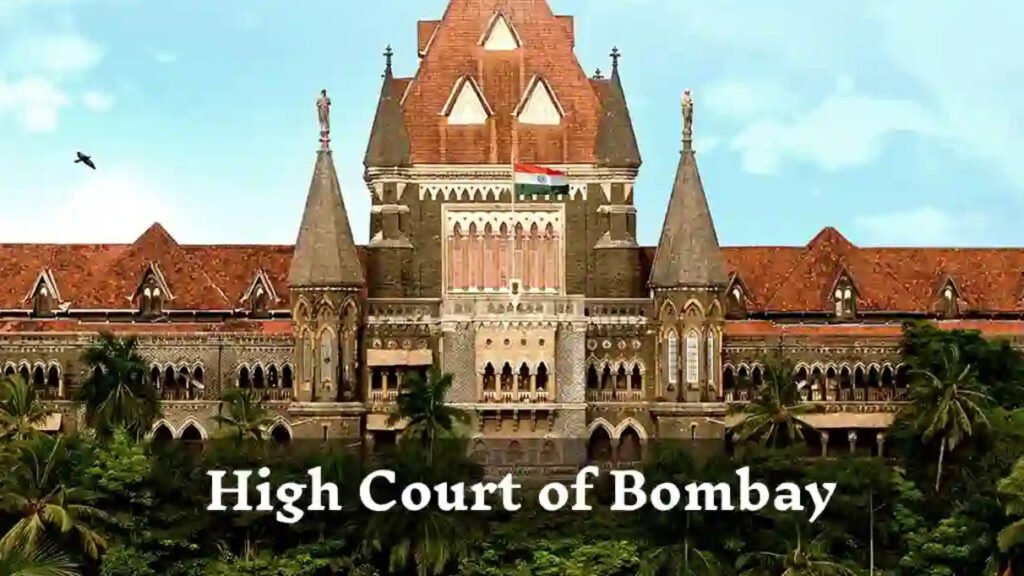
The High Court of Bombay at Goa delivered a scathing rebuke to state authorities on November 12, 2025, for their persistent failure to address illegal constructions mushrooming along the ecologically vulnerable Baga-Sinquerim beach stretch, a premier tourist corridor in North Goa. In a landmark order responding to a writ petition filed by local resident Menino Fernandes, the court issued notices to 13 key departments and local bodies, including the State Government, North Goa Collector, Town and Country Planning Department, Directorate of Tourism, Goa Coastal Zone Management Authority (GCZMA), and Goa State Pollution Control Board. The directives mandate comprehensive affidavits accompanied by recent photographs detailing the beaches’ current conditions and the tally of unauthorized structures, to be filed before the next hearing on January 21, 2026. This judicial intervention exposes systemic lapses in enforcement, emphasizing the need for rigorous accountability to safeguard Goa’s coastal heritage and public interest from unchecked commercial exploitation.
Judicial Rebuke: Dereliction of Duty in Coastal Protection
The court’s order stems from Fernandes’ petition, which accuses authorities of arbitrary and selective demolitions that violate Article 14 of the Indian Constitution, guaranteeing equality before the law. Fernandes, a Sauntawado resident in Calangute, claimed his structure was demolished without due process while numerous illegal shacks, guesthouses, spas, and massage parlors—erected on government and public land—continued to thrive unchecked. Despite a prior High Court directive on March 19, 2024, mandating inspections and removals, the petitioner alleged a pattern of superficial compliance: structures were temporarily dismantled only to be re-erected shortly after, in blatant circumvention of judicial mandates. Advocate Rohit Bras de Sa, representing Fernandes, argued before the bench that this selective targeting not only undermines constitutional rights but also reflects a broader disregard for the Coastal Regulation Zone (CRZ) Notification, 2011, and the Environment (Protection) Act, 1986. The court, acknowledging these grievances, has now compelled respondents to provide irrefutable evidence of their actions, fostering a framework for equitable and transparent governance.
Petitioner’s Allegations: Selective Enforcement and Environmental Harm
Menino Fernandes’ legal challenge highlights a troubling narrative of institutional apathy toward environmental imperatives. In his May 21, 2025, legal notice ignored by all recipients he detailed rampant CRZ violations, including operations on no-development zones without permissions, leading to irreversible damage to the fragile coastal ecosystem. The Baga-Sinquerim belt, renowned for attracting thousands of tourists annually, suffers from sand erosion, pollution, and biodiversity loss due to these encroachments, depriving citizens of their fundamental right to unhindered access to natural public spaces. Fernandes contended that the re-erection of demolished structures constitutes a deliberate ploy to mislead the judiciary, eroding public trust in state mechanisms. This petition aligns with ongoing concerns over Goa’s tourism-driven development, where short-term commercial gains often eclipse long-term ecological sustainability. By invoking Article 14, Fernandes’ case underscores the judiciary’s role in curbing arbitrary state action, advocating for uniform application of laws to protect vulnerable coastal zones.
Respondents and Court Directives: A Call for Comprehensive Compliance
The 13 respondents notified by the court encompass a wide array of agencies critical to land use and environmental oversight: from the Bardez Deputy Collector and Mamlatdar to the Calangute Police Station and Candolim-Calangute Village Panchayats. Each must now furnish sworn statements elucidating the status quo on the beaches, including the precise number and nature of illegal edifices, alongside photographic documentation to verify claims of action taken. This multifaceted scrutiny aims to dismantle silos in governance, ensuring inter-departmental collaboration to enforce demolition orders and prevent future violations. The court’s proactive stance, including the January 2026 deadline, signals an intolerance for delays, with potential contempt proceedings looming for non-compliance. Such measures reflect a balanced approach to public welfare, balancing tourism economics with ecological preservation while holding officials accountable for dereliction.
Broader Implications: Safeguarding Goa’s Coastal Legacy
The Baga-Sinquerim stretch’s plight mirrors wider challenges in Goa, where unchecked urbanization threatens the state’s unique coastal identity and Rs 8,000 crore tourism economy. Illegal structures not only exacerbate environmental degradation—through waste discharge and habitat disruption—but also compromise visitor safety and aesthetic appeal, deterring sustainable tourism. The petition’s emphasis on public interest litigation invokes the precautionary principle under environmental law, urging reforms like geo-mapping for real-time monitoring and stricter penalties for re-erections. This judicial push for progress demands a cultural shift in governance, from reactive demolitions to preventive policies, ensuring beaches remain public assets rather than privatized commercial hubs.
Path to Resolution: Enforcing Judicial Mandates for Sustainable Progress
As the next hearing approaches, the onus lies on respondents to demonstrate tangible reforms, including coordinated demolition drives and public awareness on CRZ compliance. Fernandes’ advocacy exemplifies citizen-driven accountability, compelling authorities to prioritize the rule of law over expediency. Ultimately, this order paves the way for a resilient Goa, where coastal governance harmonizes development with conservation, upholding the constitutional right to a clean environment and fostering enduring public trust.


