



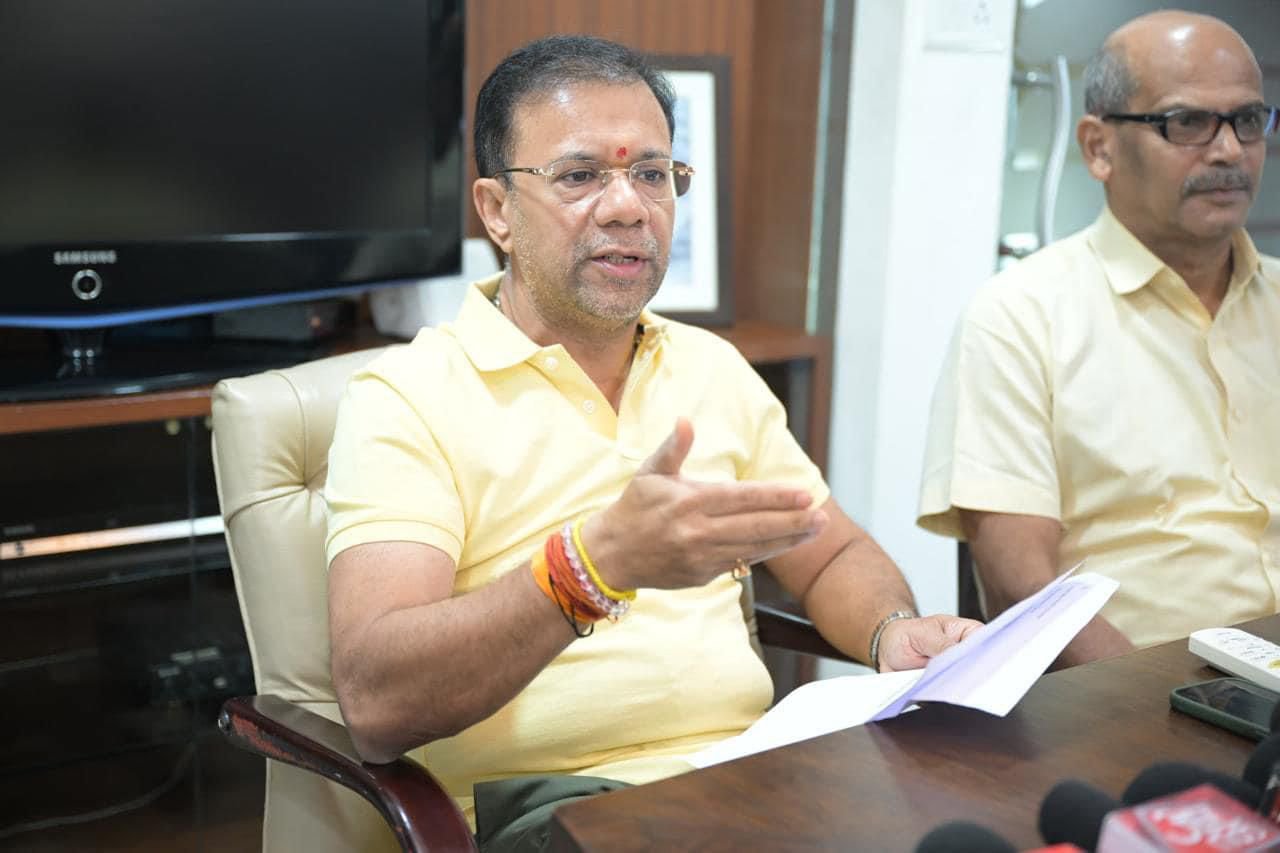


Goa Expands Emergency Medical Services Under Vishwajit Rane


Goa has undertaken a major expansion of its ambulance and emergency response system under the tenure of Health Minister Vishwajit Rane, significantly strengthening the state’s capacity to respond to medical emergencies. The initiative was designed to ensure faster response times, wider coverage, and improved quality of pre-hospital care, addressing long-standing challenges in emergency medical services across both urban centres and rural areas.
Emergency healthcare experts have consistently highlighted that timely intervention during the “golden hour” is critical in saving lives during heart attacks, road accidents, high-risk pregnancies, and neonatal emergencies. Recognising this, the Goa health department prioritised strengthening emergency response infrastructure as a core component of public healthcare delivery.
Comprehensive Expansion of the Ambulance Fleet
As part of this effort, the state significantly enhanced its ambulance fleet by introducing a range of specialised vehicles. These include Advanced Life Support (ALS) ambulances, Basic Life Support (BLS) ambulances, cardiac ambulances, neonatal ambulances, and bike ambulances.
Each category was introduced to address specific medical needs. ALS ambulances are equipped to manage critical emergencies such as cardiac arrests and severe trauma, while BLS ambulances support stable patients requiring monitored transport. Cardiac ambulances focus on heart-related emergencies, and neonatal ambulances are designed to safely transport newborns requiring specialised care. Bike ambulances have been deployed to navigate congested urban areas and reach remote locations where traditional ambulances may face delays.
This diversified fleet has enabled the emergency response system to become more flexible, responsive, and accessible across the state.
Strengthening Pre-Hospital Life-Saving Care
A key feature of the expanded ambulance network is the emphasis on pre-hospital care. The newly inducted ambulances are equipped with essential life-saving equipment, including defibrillators, ventilators, oxygen delivery systems, cardiac monitors, and emergency medications.
Trained paramedics and emergency medical technicians staff these ambulances, ensuring that medical care begins at the site of the emergency and continues during transit to healthcare facilities. This approach reduces delays in treatment and significantly improves patient stabilisation before hospital admission.
Healthcare officials note that initiating treatment during transit has been especially critical in managing cardiac emergencies, trauma cases, and obstetric complications.
Reduction in Response Times Across the State
One of the most significant outcomes of the ambulance expansion has been the reduction in emergency response times. Faster ambulance arrival has played a crucial role in improving outcomes for patients requiring immediate medical attention.
In cases of heart attacks, quicker response has enabled timely cardiac interventions. For road accident victims, rapid stabilisation and transport have reduced complications. In maternal and neonatal emergencies, faster response has contributed to safer emergency deliveries and improved survival rates for newborns.
The improved response times have also strengthened referral systems, allowing critical patients to be transferred efficiently to tertiary care institutions such as Goa Medical College and other specialised facilities.
Improved Coverage in Urban and Rural Areas
The expanded emergency response system has improved healthcare access across Goa’s diverse geography. While urban areas benefit from faster navigation through traffic congestion using bike ambulances, rural and interior regions have gained from increased ambulance availability and improved coordination.
Officials point out that ensuring equitable access to emergency healthcare has been a key objective of the initiative, particularly for residents in remote villages who previously faced longer wait times during medical emergencies.
Enhancing Public Confidence in Government Emergency Services
The strengthened ambulance network has contributed to increased public trust in government-run emergency healthcare services. Reliable and timely emergency response is widely regarded as a cornerstone of effective public health systems.
By focusing on speed, coverage, and quality, the initiative has made emergency healthcare more dependable for citizens, reducing reliance on private emergency transport and lowering out-of-pocket expenditure during critical situations.
Integration With Broader Health System Reforms
The expansion of emergency services complements other healthcare reforms undertaken in Goa, including hospital upgrades, digitisation initiatives, and improvements in referral mechanisms. Together, these measures aim to create a more integrated, patient-centric healthcare system capable of responding efficiently to both routine and critical medical needs.
Health officials note that strengthening emergency care is essential not only for immediate life-saving interventions but also for improving overall health outcomes and system resilience.
Focus on Sustainability and Capacity Building
Alongside infrastructure expansion, emphasis has been placed on training and capacity building. Continuous skill development for paramedics, ambulance staff, and emergency responders ensures that services remain effective and aligned with evolving medical standards.
Sustainability of the emergency response system remains a priority, with efforts directed toward maintenance of vehicles, equipment upgrades, and operational efficiency.
The expansion of Goa’s ambulance and emergency response system under Vishwajit Rane’s tenure represents a significant step in strengthening public healthcare delivery. By reducing response times, improving pre-hospital care, and expanding coverage across the state, the initiative has enhanced Goa’s ability to manage medical emergencies effectively.
As emergency healthcare continues to evolve, the focus on speed, preparedness, and quality of care positions Goa to better safeguard lives and respond to critical health situations with greater efficiency and reliability.


