



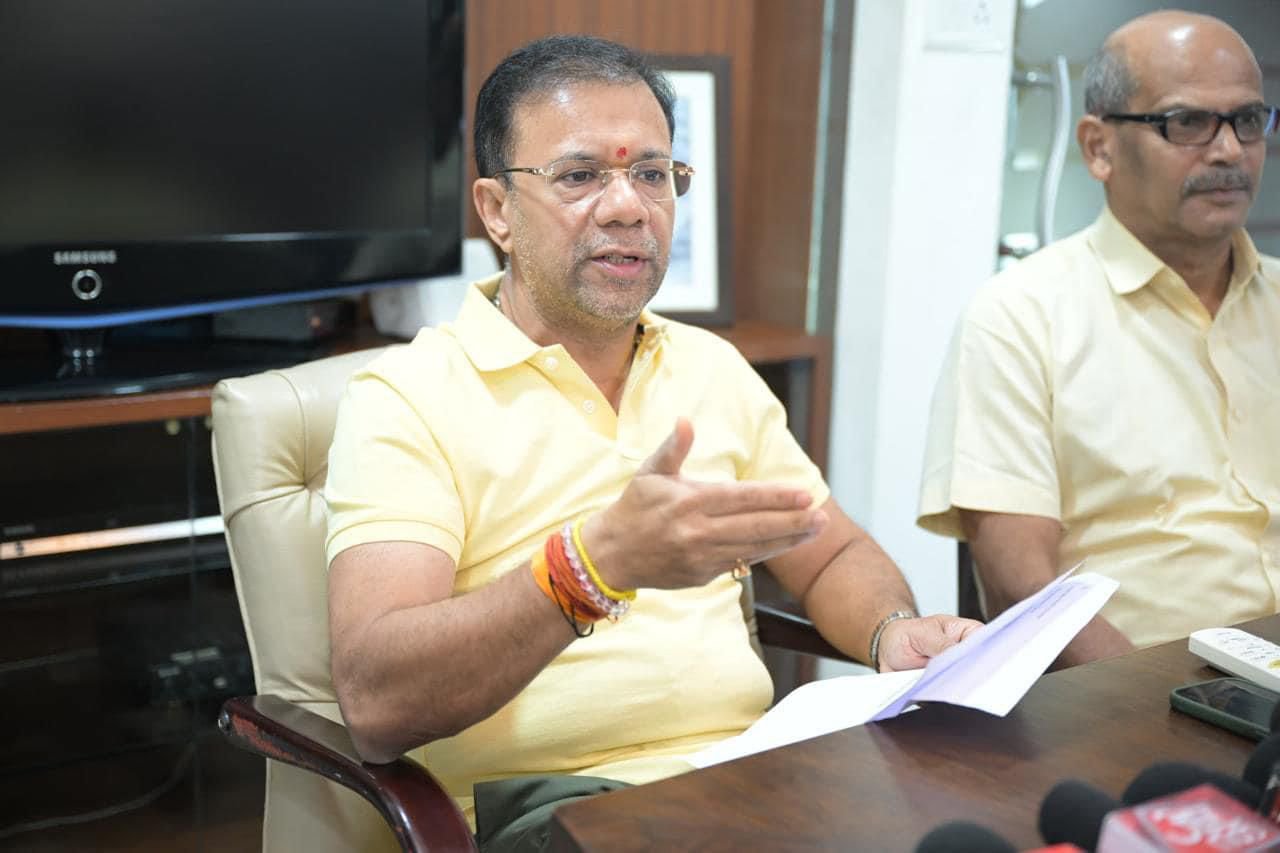


Vishwajit Rane: Building a Safer, Stronger Future for Women & Children in Goa
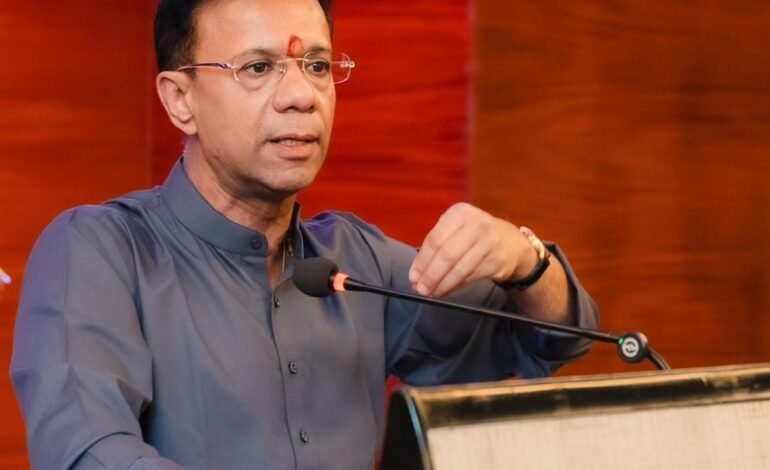

Since taking charge of the Women & Child Development Department in 2022, Minister Vishwajit P. Rane has led a powerful transformation of Goa’s welfare and protection landscape. His governance philosophy is rooted in empowering women as financial decision-makers and ensuring that children grow up in environments of safety, dignity, and equal opportunity. In a state balancing tourism, traditional communities, and diverse economic realities, Rane’s policies are designed not just as short-term aid mechanisms but as long-term structural reforms capable of changing social outcomes and mindsets.
Building Economic Independence: Rise of Self-Help Groups
A major milestone of his tenure was the formation of 700 new Self-Help Groups (SHGs) in September 2023, establishing powerful micro-financial networks for women across rural and semi-urban communities. These SHGs enable women to access credit, build small businesses, and create cooperative economic strength that uplifts families and neighbourhoods. Rather than limiting women to wage-based support, Rane’s focus on entrepreneurship-driven empowerment places women firmly at the centre of economic growth. For thousands of Goan women, these SHGs are more than financial clusters they represent dignity, self-belief, and a real break from generational dependency.
Palna Ghar Crèches: Enabling Working Mothers
Recognizing childcare as one of the biggest barriers to women’s employment, the government introduced the Palna Ghar crèche initiative across all nine talukas, integrated with Anganwadi and ICDS systems. These centres provide structured, secure care for toddlers aged one and above, enabling mothers in fields such as tourism, agriculture, domestic work, and self-employment to continue working without compromising their children’s safety. In a state where informal labour dominates, the establishment of institutional childcare fills a long-existing gap and signals progressive investment in women’s workforce participation.
Supporting the Girl Child: Goa Mamta Scheme
Financial incentives have also been used strategically to reshape attitudes toward the girl child. Through the Goa Mamta Scheme, the government provides ₹10,000 for the birth of a girl child in registered hospitals, applicable for the first two deliveries. In a country where gender bias still influences family planning and child-rearing decisions, this scheme promotes institutional healthcare while reinforcing the social message that the girl child deserves equal celebration, investment, and rights from birth onward.
Protecting Vulnerable Children: Fight Against Exploitation
Child protection efforts have strengthened significantly during Rane’s tenure. In 2024, the 1098 Child Helpline rescued 19 children forced into begging, launching rehabilitation and awareness campaigns across Anganwadis, local self-governments, police stations, and educational institutions. This initiative reflects a shift from reactive enforcement to preventative, community-based protection, ensuring that vulnerable children are rescued, safeguarded, and reintegrated instead of punished or ignored within public spaces.
Mission Shakti & Strengthening Women’s Safety Mechanisms
Under the national Mission Shakti framework, Rane prioritized responsive safety infrastructure for women in distress. One-Stop Centres (Sakhi) now provide comprehensive legal, psychological, medical, and crisis support with a ₹1.26 crore allocation, while a 24×7 toll-free Women Helpline (181) funded with ₹60 lakh ensures real-time emergency response for survivors of domestic violence, abuse, harassment, or trafficking. These systems reinforce the message that support is not only available but structured, accountable, and immediate.
Relief and Dignity for Widows & Single-Parent Families
In July 2025, the state introduced a landmark reform by merging the Griha Aadhar (₹1,500) and widow pension scheme (₹2,500) into a single monthly assistance of ₹4,000 for widows with children below 21. This consolidation reduces paperwork, minimizes delays, and delivers meaningful financial relief to households often balancing emotional trauma and severe economic hardship. The reform stands as a testament to governance that prioritizes simplicity, dignity, and real impact.
Clearing Backlogs & Ensuring Fair Access
Addressing long-standing administrative delays, the department cleared nearly three years of pending Laadli Laxmi applications, allowing thousands of eligible girls to finally receive educational and empowerment benefits. This action underscores a decisive shift from procedural stagnation to proactive governance, proving that timely delivery is as important as policy creation.
Investment & The Road Ahead
With more than ₹126 crore allocated in the 2023–24 budget toward ICPS, Ujjawala, crèches, SHGs, and women-safety infrastructure, Vishwajit Rane has demonstrated that effective governance requires strategic funding, grassroots implementation, and measurable outcomes. While challenges continue such as scaling the Palna Ghar network and strengthening recovery mechanisms within One-Stop Centres the foundational progress made between 2022 and 2025 represents a new standard for women-centric and child-first governance.


