


Cacra to Become Goa’s Estuarine Cage Culture Cluster Under PMMSY
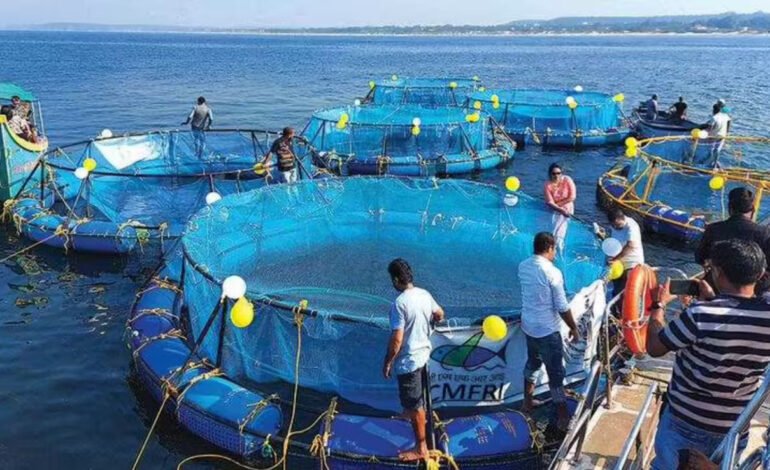

Goa is preparing to expand its aquaculture potential as Cacra moves toward becoming a pilot estuarine cage culture cluster under the Pradhan Mantri Matsya Sampada Yojana (PMMSY). The initiative aims to strengthen livelihood opportunities for local fish farmers by introducing modern cage-based farming models in suitable coastal and estuarine waters across the state.
A joint meeting between ICAR–Central Coastal Agricultural Research Institute (ICAR-CCARI) and the Goa fisheries department has set the groundwork for the cluster’s operational framework. Discussions covered training, technology adoption, species selection and mobilisation of interested farmers.
Why Cacra Was Identified
Cacra’s estuarine waters offer a favourable environment for cage farming, with controlled water exchange and suitable salinity. With proper technical support, the region can host multiple cages producing species such as sea bass, mullet, or pompano.
This model is particularly useful for small and traditional fishers who cannot invest in large ponds or offshore infrastructure.
Training and Farmer Mobilisation
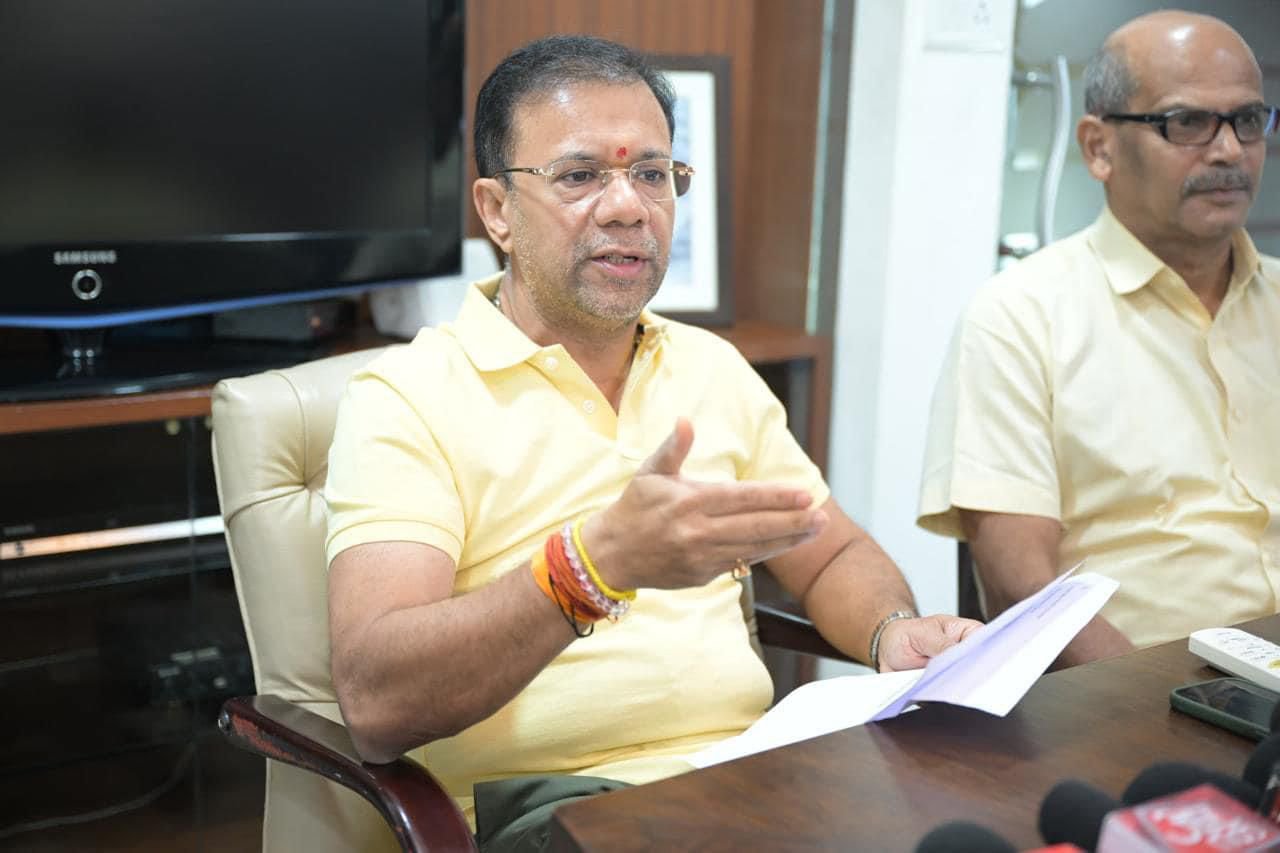
Fisheries director Shamila Monteiro stated that the next phase will focus on creating awareness among farmers through exposure visits and hands-on training sessions.
ICAR-CCARI scientist Trivesh Mayekar presented technical details on cage size, species, stocking density and potential returns.
Training will include:
- Feed management and water quality monitoring
- Stocking and harvesting schedules
- Market linkages and profitability models
- Scientific handling of seed and fingerlings
Such support is critical for first-time farmers who are unfamiliar with controlled aquaculture systems.
Livelihood Improvement Potential
If implemented successfully, estuarine cage culture can:
- Generate alternate income for traditional fishermen
- Strengthen domestic fish supply
- Create new micro-enterprise opportunities
- Reduce dependence on unpredictable marine catch
The model also promotes sustainable exploitation of water resources without disturbing the natural ecosystem.
Challenges: Seed Cost & Collective Management
Despite its potential, experts highlighted key challenges.
High seed cost is currently the biggest barrier, making initial investment difficult for individual farmers.
Another issue is the reluctance of farmers to operate as cooperatives or clusters, leading to scattered activity instead of large-scale execution.
Possible solutions discussed include:
- Bulk seed procurement to reduce cost
- Cluster-based cage ownership
- State-supported buyback agreements
- Shared maintenance and monitoring mechanisms
These interventions can turn the pilot cluster into a structured aquaculture network over time.
A Step Toward Goa’s Blue Economy Growth
As Goa works toward strengthening fisheries-based livelihoods, the Cacra cluster aligns with national goals of sustainable blue economy development.
With coordination between ICAR-CCARI, the fisheries department and local communities, the pilot project can eventually expand to other coastal stretches in the state.